Church tradition
Melkite Greek Catholics
Melkite Greek Catholics combine a Byzantine liturgical heritage with communion with Rome, and have historic communities in Syria, Lebanon, the Holy Land and Jordan. Their church shares roots with the Greek Orthodox Patriarchate of Antioch but has a distinct Catholic hierarchy; the word “Greek” here refers to church tradition rather than requiring Greek nationality.
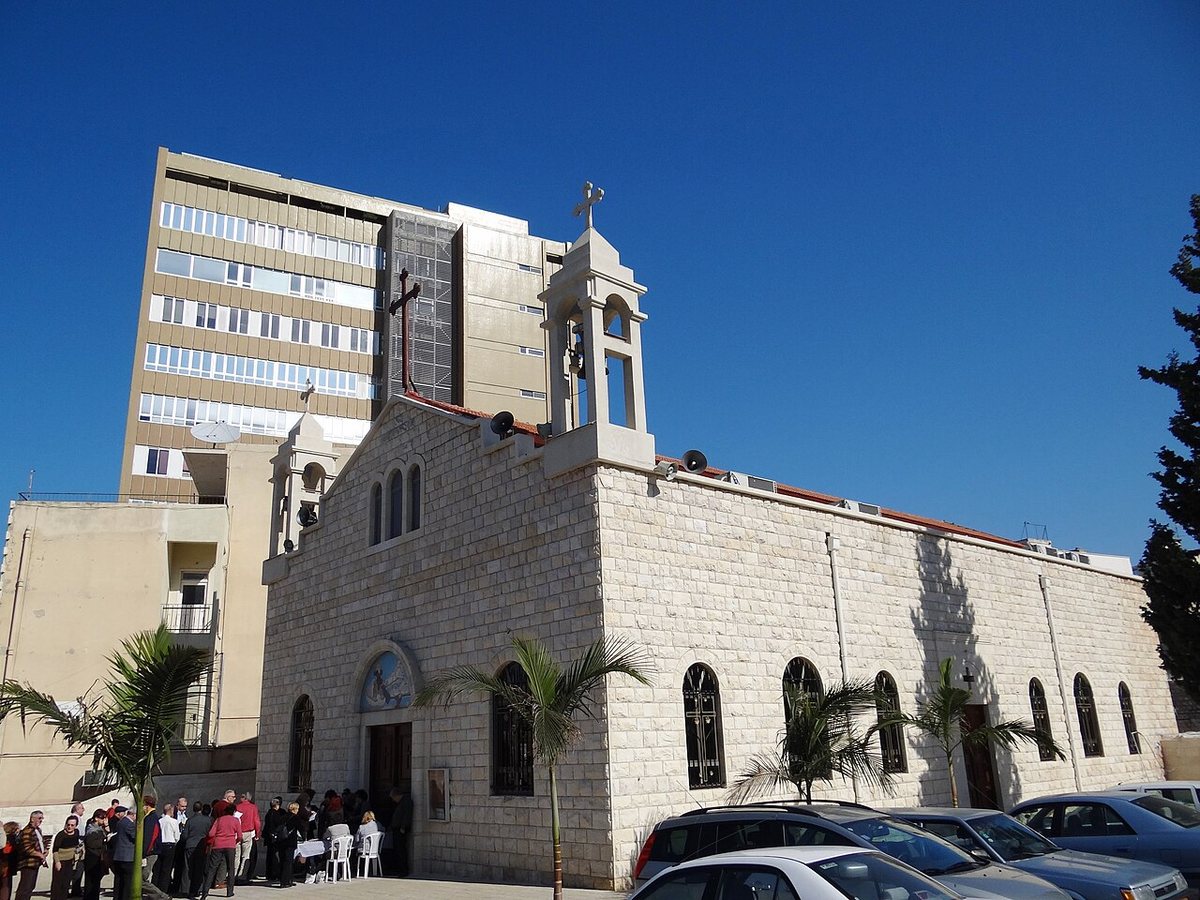
.JPG)
These communities are connected by church tradition, language, culture, homeland or migration. The labels overlap: a Palestinian Christian may also be an Israeli citizen and belong to an Orthodox, Catholic or Protestant church. This is an introduction to that diversity, not a complete list or a set of separate population groups.
Historical roots
A disputed patriarchal succession in Antioch in 1724 produced separate Orthodox and Catholic lines of leadership. Rome recognized Cyril VI’s election in 1729, and the Catholic branch became known as the Melkite Greek Catholic Church. These dates concern the emergence of distinct institutions, not the beginning of the much older Antiochian Christian heritage shared by both churches.
Worship, languages and traditions
Melkite worship centres on the Byzantine Divine Liturgy, notably the liturgy associated with Saint John Chrysostom, with icons, incense and sung prayer. Arabic, Greek and languages of diaspora communities can all have a place. Communion with Rome does not require replacing this heritage with Latin worship: Eastern Catholic churches retain their own liturgical traditions.
Melkite Eparchy of Newton · Explanation of the Divine Liturgy ↗Melkite Eparchy of Australia · Byzantine rite ↗Vatican II · Orientalium Ecclesiarum ↗
Regional life and diaspora
Emigration carried Melkite parish life from the eastern Mediterranean to the Americas, Europe and Australia, where dioceses and congregations connect later generations with that heritage. In the Middle East, parishes and religious communities remain associated with Syria, Lebanon, the Holy Land and Jordan. The church’s educational and charitable work accompanies worship across these different settings.
CNEWA · Melkite Catholic Church history ↗CNEWA · Being Disciples, Making Disciples in the Melkite Church ↗