Church tradition
Maronite Christians
The Maronite Church is an Eastern Catholic church with roots in the Syriac tradition of Antioch and the monastic movement associated with Saint Maron. Closely connected with Lebanon, it also has communities throughout the region and worldwide; its worship preserves Syriac prayers alongside Arabic and other local languages.
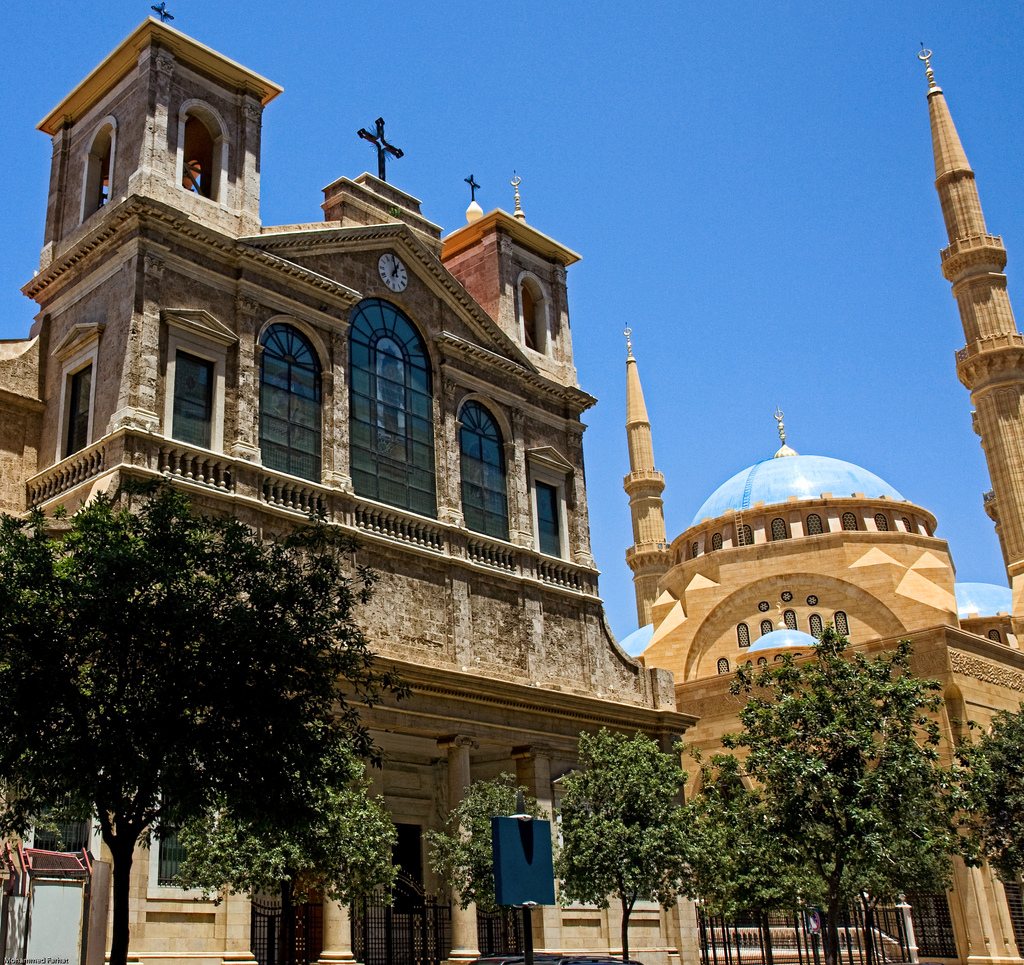

These communities are connected by church tradition, language, culture, homeland or migration. The labels overlap: a Palestinian Christian may also be an Israeli citizen and belong to an Orthodox, Catholic or Protestant church. This is an introduction to that diversity, not a complete list or a set of separate population groups.
Historical roots
The Maronite name comes from Maron, a hermit-priest who died around 410, and the monastic communities that developed around his memory in Syria. Over subsequent centuries, Mount Lebanon became a major centre of Maronite life; the church’s heritage also draws on Antioch and on the Syriac poetry and learning associated with Edessa.
Worship, languages and traditions
Maronite worship includes the Hoosoyo, a prayer of forgiveness accompanied by incense during the service of the Word, followed by the Eucharistic liturgy. Syriac poetry and prayers remain distinctive, alongside Arabic and other languages; the church has its own patriarch, bishops and liturgical tradition while sharing Catholic faith and communion with the pope.
Regional life and diaspora
Lebanon remains a central spiritual and institutional home, but Maronite dioceses and parishes also serve communities elsewhere in the Middle East and across the Americas, Europe and Australia. Religious orders contribute through schools, hospitals, missions and care institutions; overseas parish histories also record adapting worship to new languages as younger generations became less familiar with Arabic.
Eparchy of Saint Maron · Worldwide communities and service ↗Eparchy of Saint Maron · Language and diaspora history ↗