Church tradition
Syriac Christians
Syriac Christianity preserves a literary and worship tradition in Syriac, a form of Aramaic, across communities rooted in the Middle East and their diaspora. The Syriac Orthodox Church belongs to the Oriental Orthodox family, while the Syriac Catholic Church is in communion with Rome; these are distinct churches sharing parts of that heritage.
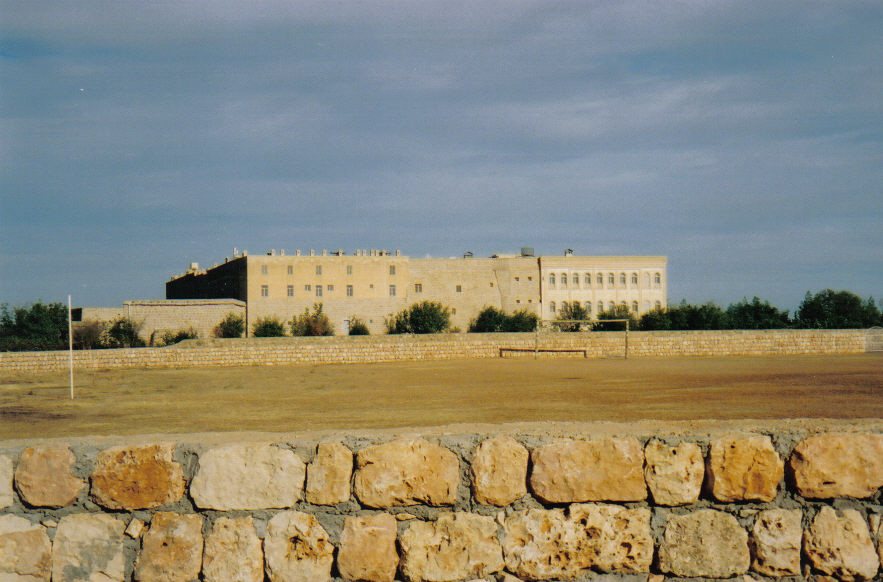

These communities are connected by church tradition, language, culture, homeland or migration. The labels overlap: a Palestinian Christian may also be an Israeli citizen and belong to an Orthodox, Catholic or Protestant church. This is an introduction to that diversity, not a complete list or a set of separate population groups.
Historical roots
Syriac literature grew from the Aramaic-speaking world of northern Mesopotamia, with Edessa and Nisibis among its important centres. Ephrem, a fourth-century poet and theologian, worked in Nisibis before moving to Edessa. Hymns, biblical commentaries and manuscript copying carried this heritage across later church divisions, so the Syriac literary tradition is broader than one modern denomination.
Syri.ac · Ephrem ↗The Early History of the Syriac Liturgy · scholarly overview ↗Syri.ac · Syriac manuscript BnF 235 ↗
Worship, languages and traditions
The Syriac Orthodox and Syriac Catholic churches use the West Syriac, or Antiochene, liturgical tradition. It is distinct from the East Syriac tradition of the Assyrian and Chaldean churches. Syriac prayers coexist with other languages used by congregations; similarities of language do not remove differences in church communion, episcopal leadership or the ways believers describe their identity.
CNEWA · The Syriac Orthodox Church ↗CNEWA · The Syriac Catholic Church ↗Sebastian Brock · Syriac liturgy bibliography ↗Bangalore Orthodox Diocese · West Syriac worship ↗
Regional life and diaspora
Tur Abdin in southeastern Türkiye preserves an important Syriac monastic landscape, including Mor Gabriel near Midyat. Syriac Orthodox and Catholic communities also have deep roots in Syria, Iraq and Lebanon, with diasporas in Europe and the Americas. Monasteries, churches and educational institutions connect worship with the transmission of language, manuscripts and memory across generations.
Syriaca.org · Mor Gabriel ↗CNEWA · The Syriac Orthodox Church ↗CNEWA · The Syriac Catholic Church ↗
Sources
- World Council of Churches · Syriac Christians ↗
- CNEWA · The Syriac Catholic Church ↗
- Syri.ac · Ephrem ↗
- The Early History of the Syriac Liturgy · scholarly overview ↗
- Syri.ac · Syriac manuscript BnF 235 ↗
- CNEWA · The Syriac Orthodox Church ↗
- Sebastian Brock · Syriac liturgy bibliography ↗
- Bangalore Orthodox Diocese · West Syriac worship ↗
- Syriaca.org · Mor Gabriel ↗