Trace Paul’s recorded travels from Tarsus and Damascus through Cyprus, Anatolia and Greece to Malta and Rome, with Bible references and the stories behind later memorials.
A journey of changing direction: from the road to Damascus to communities around the Mediterranean, and finally to Rome as a prisoner. Follow the places named in Acts, compare the evidence of Paul’s letters, and discover how later churches remember his life.
A biblical visit, a passing ship and a later local tradition are different kinds of evidence. This reading journey keeps them distinct and does not claim to reconstruct every mile or every place Paul ever visited.
This itinerary follows the named places in Acts, with repeated visits retained. Regions and passages at sea are labelled separately. Paul’s letters supply additional evidence; neither source records everywhere he travelled. The churches he gathered were communities, not the later buildings shown today.
FIRST CENTURY · THE MEDITERRANEAN WORLD
Follow Paul across the ancient world
1st century AD
LandSea1 · Antioch on the Orontes (Antakya)
Origins and the Damascus turning point
Acts describes Paul’s upbringing and early travels; Galatians adds Arabia without naming a town. These accounts are shown with their own references, without forcing an exact combined chronology.
Antioch on the Orontes (Antakya)Visit recorded in ActsActs 13:1–3
First mission: Cyprus and Anatolia
Barnabas accompanies Paul. The return through Lystra, Iconium and Pisidian Antioch revisits communities they had established. Antioch on the Orontes and Pisidian Antioch are different cities.
Antioch on the Orontes (Antakya)Visit recorded in ActsActs 13:1–3
Antioch on the Orontes (Antakya)Visit recorded in ActsActs 14:26–28
The Jerusalem meeting
Acts places a journey through Phoenicia and Samaria between the first and second missions. Galatians 2 describes a Jerusalem meeting too; its alignment with Acts is debated.
Antioch on the Orontes (Antakya)Visit recorded in ActsActs 15:1–2
Antioch on the Orontes (Antakya)Visit recorded in ActsActs 15:30–35
Second mission: across to Macedonia and Greece
Silas and Timothy join the mission. Philippi brings Lydia’s household into the story; Athens and Corinth follow. Jerusalem after Caesarea in Acts 18:22 is inferred from “going up”, not explicitly named.
Antioch on the Orontes (Antakya)Visit recorded in ActsActs 15:35–40
Syria — ancient regionRegion, not a precise stopActs 15:41
Antioch on the Orontes (Antakya)Visit recorded in ActsActs 18:22
Third mission: Ephesus and the return to Jerusalem
Ephesus becomes a teaching centre. Acts then names regions, ports and return visits; it does not identify every town. “Off Chios” and the sighting of Cyprus are sea passages, not evidence of landing.
Antioch on the Orontes (Antakya)Visit recorded in ActsActs 18:23
Galatian regionRegion, not a precise stopActs 18:23
The prisoner’s route includes an overnight transfer through Antipatris and detention at Caesarea. Acts records Malta but not the exact shipwreck beach. Lasea is a nearby town, not a separately stated stop.
These entries are not extra confirmed stages after Rome. Spain and Nicopolis are plans; Bithynia and Phoenix were not reached in the cited account. Illyricum marks a reported reach of ministry, not a named town. The authorship and dating of Titus and 2 Timothy are debated. Trogyllium occurs in some manuscripts of Acts 20:15, including the KJV, but not all.
Syria — ancient regionReported in a letterGalatians 1:21
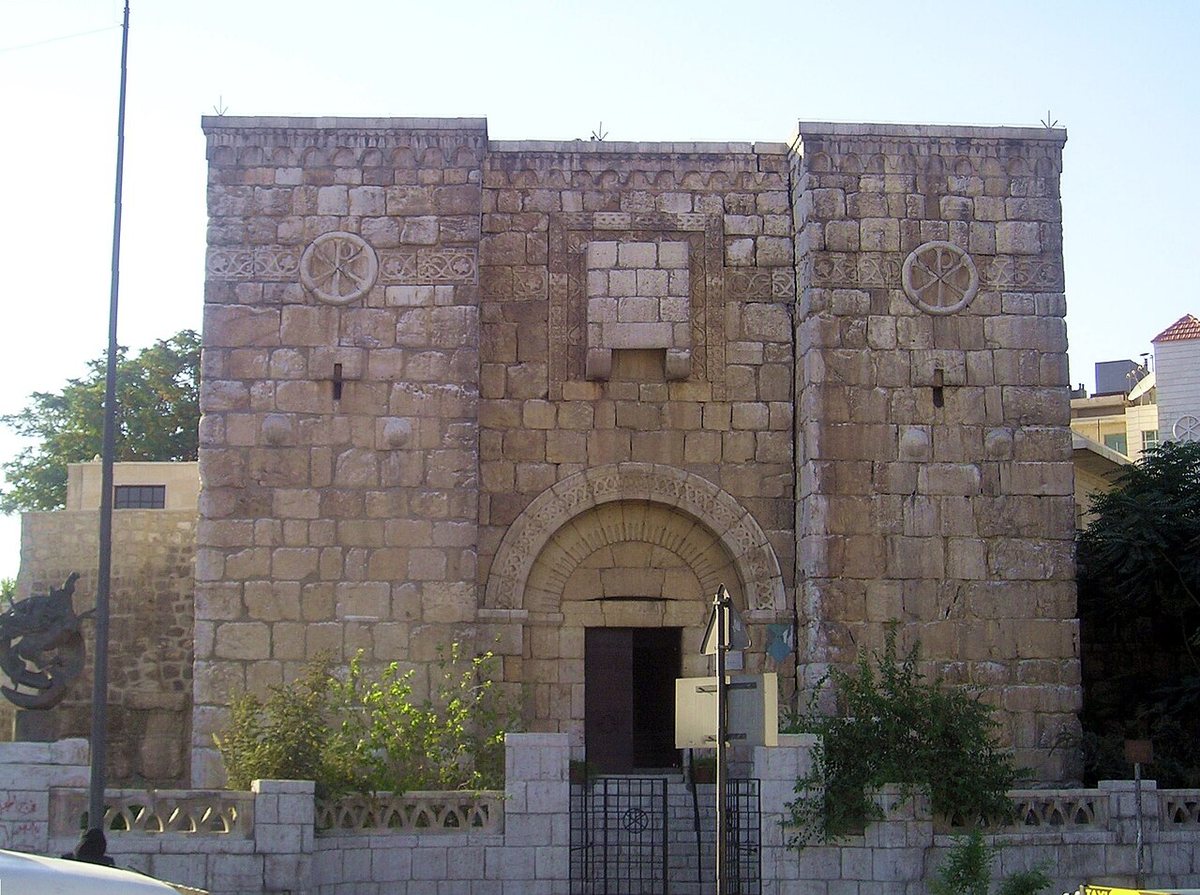
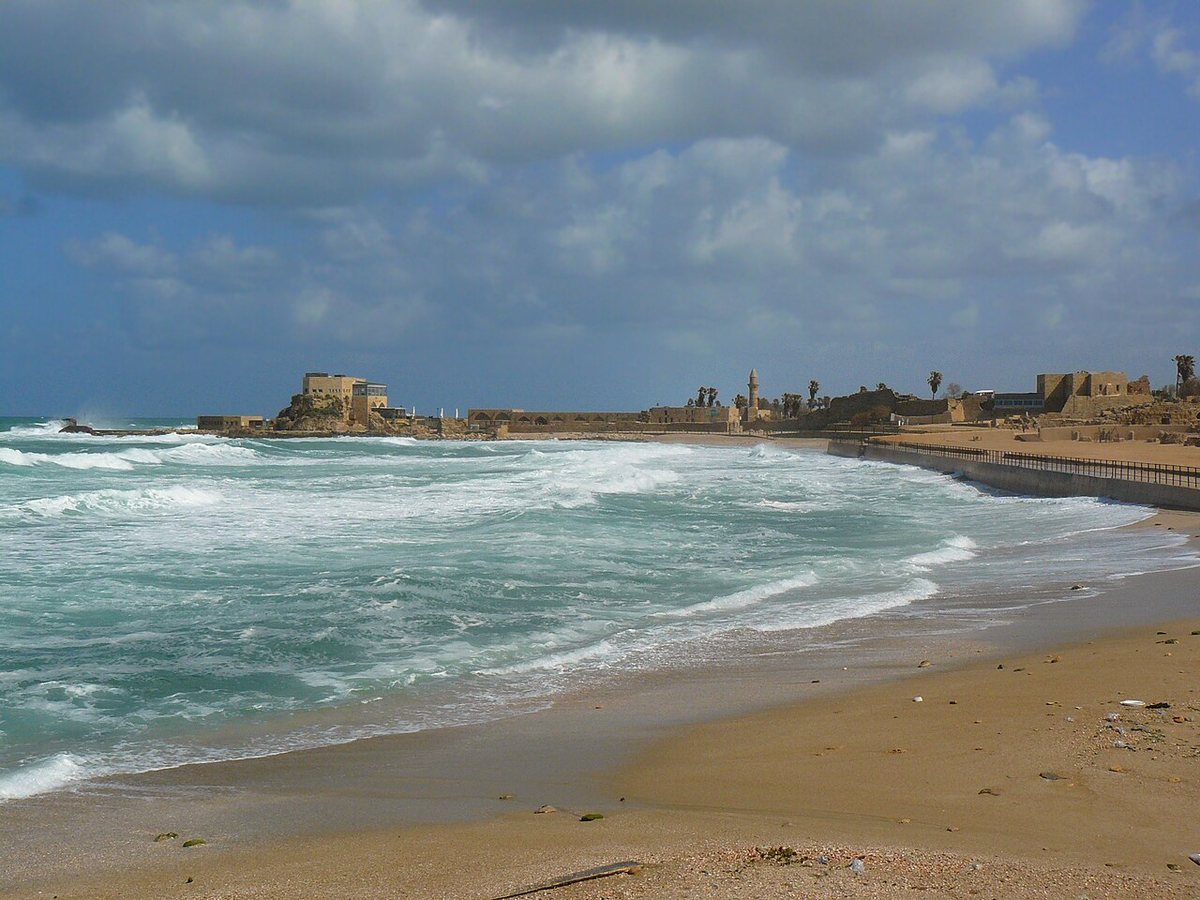
The map below locates only these documented sites. It is not a map of the whole ancient route. Damascus’s chapels commemorate traditions; Caesarea preserves the ancient city where Acts places Paul’s detention.
Where the stops are
The dots locate the stops. Their reading order is not a verified travel route or advice on access.
Damascus · Old City · Roman Catholic · Franciscan custody
CHURCH BUILDING
This ancient underground structure at the end of the Street Called Straight in Old Damascus is held to be the remains of the house of Ananias of Damascus.
Caesarea Maritima was built by Herod the Great between about 22 and 10 BC, with an artificial harbour raised on hydraulic concrete poured into the sea.